
Last Updated on 22/03/2026 by PetSmartify Editorial Team
(Disclosure: This page contains affiliate links. As a participant in the Amazon Associate Program, we may earn a small commission at no extra cost to you.)
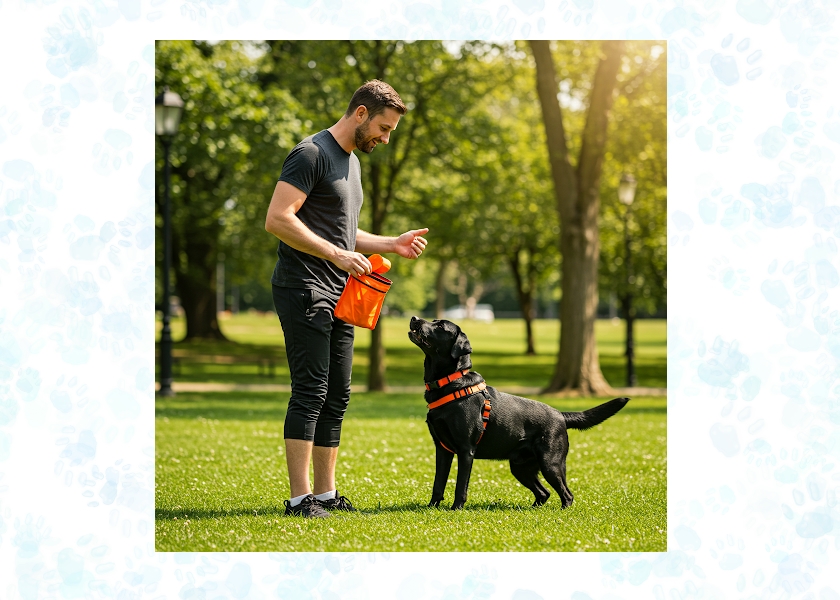
Dog training is essential for good behavior, safety, and building a strong bond. But many pet owners ask, “When should I start dog training, and is it ever too late?“
The good news? Whether you have a young puppy or an older rescue dog, training is always possible with the right approach and sometimes, the right tools.
In this guide, we’ll cover the best age to start training, how to train adult dogs, and the most effective modern tools to make the process easier.
What is the Ideal Age to Start Training a Dog?
The ideal time to start training your dog is as early as 7 to 8 weeks old. At this stage, puppies are highly receptive to new experiences, making it easier for them to grasp basic commands like sit, stay, and come. Positive reinforcement methods, such as treats and praise, work best at this age.
By 4 to 6 months, you can begin more advanced obedience training, including leash training, socialization with other dogs, and addressing minor behavioral issues. Formal training classes may also be beneficial at this stage.
Can You Train an Adult Dog?
Yes! While older dogs may take longer to break bad habits or adapt to new commands, they are still highly trainable with patience and consistency. Many adult dogs in shelters undergo successful training, proving that with the right approach, even an older dog can learn good behavior.
The key to training an adult dog is using consistent commands, patience, and positive reinforcement. For pet owners who prefer flexible, at-home solutions, virtual pet training programs can also be a highly effective way to guide behavior and reinforce commands.
👉 Read more: Virtual Pet Trainers: Are They as Good as In-Person Training?
Best Dog Training Tools for Puppies vs Adult Dogs
Training success doesn’t just depend on age—it also depends on using the right tool for your dog’s behavior and personality.
Here are three effective training options to consider:
🔊 Ultrasonic Training Devices (Best for Gentle Correction)
Ultrasonic trainers like the PawBehave device use high-frequency sound to interrupt unwanted behavior such as barking, jumping, or chewing.
✔ No shocks or physical contact
✔ Ideal for sensitive or anxious dogs
✔ Great for beginners
👉 Best for: Light to moderate behavior correction
Price Range: Under $40

👉 Read more: Best Ultrasonic Dog Training Device for Obedience (2026)
📡 Remote Training Collars (Best for Stubborn or Advanced Training)
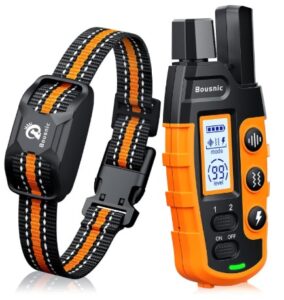
Remote training collars like the Bousnic e-collar give you more control by allowing you to correct behavior instantly using vibration, sound, or (adjustable) static stimulation.
✔ Effective for recall and off-leash training
✔ Works well for strong-willed dogs
✔ Adjustable intensity levels
👉 Best for: Advanced training or persistent behavioral issues
Price Range: Under $55
👉 Full guide: Bousnic Dog Training Collar Review
🧠 Positive Reinforcement Tools (Best for All Ages)
Treats, clickers, and reward-based systems are essential for both puppies and adult dogs.
✔ Builds trust and confidence
✔ Reinforces good behavior naturally
✔ Works alongside all other tools
👉 Best for: Every dog, at every stage
💡 Pro Tip: The best results come from combining tools, for example, using treats for rewards and an ultrasonic device for interruptions.
Frequently Asked Questions About Dog Training
When should I start training my dog?
You should start training your dog as early as 7 to 8 weeks old. Puppies are highly receptive at this age and can begin learning basic commands like sit, stay, and come through positive reinforcement.
Is it ever too late to train a dog?
No, it’s never too late to train a dog. Adult dogs can learn new behaviors at any age with consistency, patience, and the right training techniques.
Are puppies easier to train than adult dogs?
Yes, puppies are generally easier to train because they haven’t developed bad habits yet. However, adult dogs can still be successfully trained—they may just need more time and consistency.
How long does it take to train an adult dog?
Training an adult dog can take anywhere from a few weeks to several months, depending on the dog’s history, temperament, and the consistency of training.
What is the best method for training a dog?
The most effective method is positive reinforcement, which involves rewarding good behavior with treats, praise, or play. This builds trust and encourages your dog to repeat desired behaviors.
Can training tools help with stubborn dogs?
Yes, training tools can be very helpful, especially for stubborn or strong-willed dogs.
- Ultrasonic devices can gently interrupt unwanted behavior
- Remote collars can provide more controlled corrections for advanced training
When used correctly, these tools support consistent and effective training.
What should I focus on first when training a puppy?
Start with basic obedience commands like sit, stay, come, name recognition. You should also focus on socialization, exposing your puppy to different people, environments, and other dogs.
Why is consistency important in dog training?
Consistency helps your dog understand what is expected. Using the same commands, rewards, and corrections ensures faster learning and prevents confusion.
Final Words
The best time to start training your dog is as early as possible, but it’s never too late to begin. Puppies learn quickly, but adult dogs are just as capable with consistency and patience.
The key is choosing the right approach and sometimes the right tools to match your dog’s needs.
For gentle behavior correction, ultrasonic devices like the PawBehave are a great starting point. For more advanced training, tools like remote collars can provide additional control and faster results.
With the right combination of training techniques, patience, and smart tools, any dog can become well-behaved and confident.
Related Posts
PetSmartify is a participant in the Amazon Services LLC Associates Program and other affiliate programs. We may earn a small commission from purchases (at NO additional cost to you)
Product prices and availability are accurate as of the time of publication and are subject to change. Any price and availability information displayed on Amazon or any other retailer’s website at the time of purchase will apply.