
Last Updated on 11/09/2026 by PetSmartify Editorial Team
(Disclosure: This page contains affiliate links. As an Amazon Associate, we earn from qualifying purchases at no extra cost to you.)
Road trips with pets has evolved. In 2026, pet parents aren’t just tossing a blanket in the backseat and hoping for the best. With over 78% of travelers now bringing their furry companions along, smart car safety and portable climate tech have become the new standards for the modern explorer.
These smart tools ensure your dog or cat always stays secure, hydrated, and stress-free while you clock those miles.
- 🚗 Why Road Trips with Pets Require Specialized Tech
- 1. Safety First: Crash-Tested Pet Carriers & Restraints
- 2. Smart Hydration & On-the-Go Feeding
- 3. The Digital Safety Net: GPS & Area Alerts
- 4. Temperature Monitoring: The Essential
- 5. Comfort: Turning the Car into a "Zen Den"
- 🧠 Using Smart Tech Without Distracting the Driver
- 🚫 When a Road Trip May Not Be the Best Option
- 💡 Tips for Road Tripping with Pets
- ✅ Pre-Drive Checklist for Road Trips with a Pet
- ❓ Frequently Asked Questions
🚗 Why Road Trips with Pets Require Specialized Tech
Road trips are the most flexible way to travel with pets, but they also come with unique risks. Unlike flights or hotel stays, pets are exposed to:
- Sudden stops and collisions
- Temperature fluctuations inside the vehicle
- Frequent entry and exit at unfamiliar locations
- Longer, continuous confinement
- Increased chances of escape at rest stops
Smart road-trip tech focuses on real-time safety, restraint, hydration, and temperature awareness, rather than compliance or separation anxiety.
1. Safety First: Crash-Tested Pet Carriers & Restraints
Pet-friendly isn’t enough, it has to be crash-tested. A loose pet in a car is a projectile during a sudden stop.
Price Range: $40 – $140
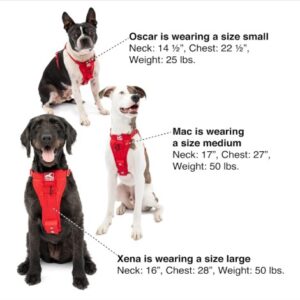
Kurgo Safety Harness
Various colors
Crash tested up to 34kg
Enhanced strength
Secures dog to seatbelt
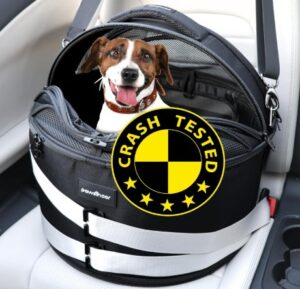
Pawsincar 3-in-1 Pet Car Seat
5-star safety rating
Takes pets weighing up to 25lbs
Top cover protection
Doubles as pet bed
Fan-friendly pocket
Pro Tip: Always place carriers in the back seat. Airbags are designed for humans and can be fatal to pets in the front passenger seat.
⚠️ Why Unrestrained Pets Are Dangerous in a Car
In a collision at just 50 km/h, an unrestrained pet can be thrown forward with several times their body weight. This puts:
- Your pet at risk of serious injury
- Passengers at risk of secondary impact
- First responders at risk if a frightened pet escapes after a crash
Crash-tested harnesses and carriers are not about comfort, they are life-saving devices.
2. Smart Hydration & On-the-Go Feeding
Long drives lead to dehydration, which causes irritability and car sickness.
- PETKIT Dog Water Bottle: This is a road trip essential. The one-hand operation allows you to give your pet a drink at a red light without spills, and the built-in carbon filter ensures the water at that random rest stop is safe to drink.
- Bonza Collapsible Bowls: Space is at a premium on road trips. These silicone bowls clip to your glovebox or headrest, making them the perfect “quick-access” tool for scheduled feeding breaks.
Price Range: $10 – $15

Bonza Collapsible Bowl
Flattens to fit in travel bag
1,000 ml capacity (large size)
Includes a keychain holder & aluminum carabiner
Sizes: Small, large and X-large
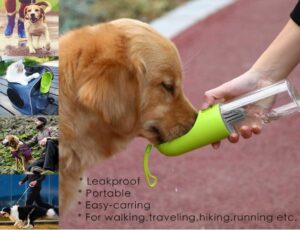
PETKIT Water Bottle
Wide cap acts as water bowl
No water leakage
Strong water filtration
BPA-free material & lightweight
3. The Digital Safety Net: GPS & Area Alerts
When you open the car door at a busy rest stop, a spooked pet can bolt in seconds.
- Tractive GPS Dog Tracker: Unlike a microchip (which only helps after someone finds your pet), Tractive provides Live Tracking. In 2026, the “Virtual Fence” feature is a game-changer—get an instant alert on your phone the moment your pet wanders more than 50 meters from your parked car.
- Tractive Cat Mini: Specifically designed for feline travelers, it’s light enough not to bother a cat while providing the same military-grade GPS accuracy.
Price Range: $45 – $85
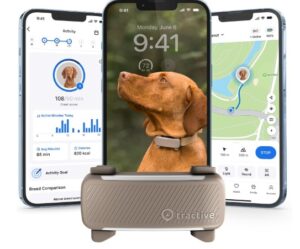
Tractive Dog 6 GPS Tracker
Unlimited range
Safe zones & get alerts
Vital signs monitoring
Health & barking alerts
Escape alerts & location history
14-day battery life
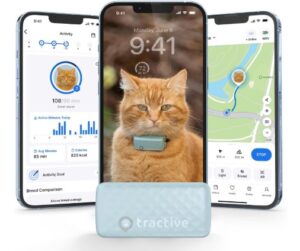
Tractive CAT Mini
Health, sleep & activity monitoring
Virtual fences
Location history
Lightweight & waterproof
Subscription required
4. Temperature Monitoring: The Essential
One of the biggest risks on a road trip is the “quick stop” at a shop.
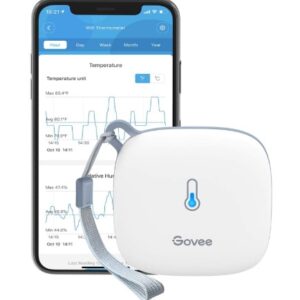
- Govee Thermo-Hygromter: A smart sensors that you can keep in your car. It monitors the cabin temperature and sends alerts to your smartphone if the AC fails or the car gets too hot. In 2026, this tech is a must-have for peace of mind during those unavoidable “human-only” pit stops.
Price Range: $35 – $45
🛑 The Hidden Risk: “Just Five Minutes” Stops
Most heat-related pet incidents don’t happen on long drives, they happen during quick stops for fuel, coffee, or groceries. Even with windows cracked, temperatures inside a parked car can rise dangerously fast.
Smart temperature sensors and live alerts provide critical warnings if:
- Air conditioning fails
- Cabin temperature spikes
- You’re distracted inside a store
5. Comfort: Turning the Car into a “Zen Den”
- Furhaven ThermaNAP Bed: This self-warming bed uses your pet’s own body heat (no electricity required), making it ideal for chilly morning starts or camping at the end of the road. These beds can be placed inside the pet car seat for extra warmth.
Price Range: $12 – $18

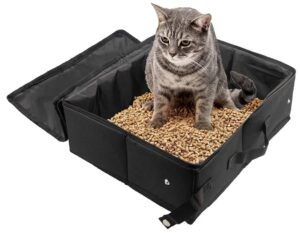
- Travel Litter Box: For the “Adventure Cat” owners, a collapsible, waterproof litter box ensures your cat maintains their routine even in the middle of the Karoo.
Price Range: $10 – $15
🧠 Using Smart Tech Without Distracting the Driver
Smart tech should enhance safety, not pull your attention off the road:
- Set alerts before departure, not while driving
- Use audio alerts instead of visual notifications
- Mount devices where they don’t block airbags or vents
- Never interact with apps while the vehicle is moving
Responsible tech use protects both pets and people.
🚫 When a Road Trip May Not Be the Best Option
Even with smart tech, road trips may not be suitable if:
- Your pet has severe car anxiety or motion sickness
- The journey involves extreme heat or cold
- Long stretches without pet-friendly stops are unavoidable
- Your pet cannot tolerate confinement for extended periods
In these cases, alternative travel methods or shorter staged trips may be safer and less stressful.
💡 Tips for Road Tripping with Pets
- Buckle them in with a seatbelt harness or in a carrier.
- Plan pet-friendly rest stops every 2–3 hours
- Never leave pets in a parked car unattended
- Use window shades to keep the vehicle cool
✅ Pre-Drive Checklist for Road Trips with a Pet
Before starting the engine:
- Pet secured with crash-tested harness or carrier
- GPS tracker charged and connected
- Temperature alerts enabled
- Water bottle accessible
- Bedding positioned away from airbags
- Window shades installed if needed
This guide focuses on road trips. For flying, train travel, hotel stays, and outdoor adventures, explore our complete smart pet travel guide for 2026.
❓ Frequently Asked Questions
How do I keep my pet safe during a car trip?
Use a seatbelt harness or a crash-tested crate to keep your pet restrained and prevent injury in case of sudden stops.
How often should I stop for breaks with my pet on a road trip?
Stop every 2–3 hours for potty breaks, short walks, water, and snacks. It’s essential for your pet’s comfort and bladder health.
What’s the best way to keep pets cool in the car during summer?
Consider using a portable cooling mat or self-cooling pad, and never leave pets alone in a hot car.
Should pets ride in the front or back seat?
Pets are safest in the back seat, preferably restrained with a harness or inside a secured crate, to reduce the risk of injury from airbags or sudden stops.
Can I give my pet food or water during the trip?
Provide small amounts of water regularly and avoid large meals right before or during the trip to prevent nausea.
How do I help pets who get car sick?
Consult your vet for advice. Some pets benefit from anti-nausea medication, limiting food before travel, or gradually acclimating them to car rides. You can learn more in our detailed article on dog motion sickness and travel nausea.
What items should I bring for my pet on a road trip?
Bring water, food, collapsible bowls, leash, waste bags, a first aid kit, bedding, and any medications your pet needs.