
Last Updated on 11/09/2026 by PetSmartify Editorial Team
(Disclosure: This page contains affiliate links. As an Amazon Associate, we earn from qualifying purchases at no extra cost to you.)
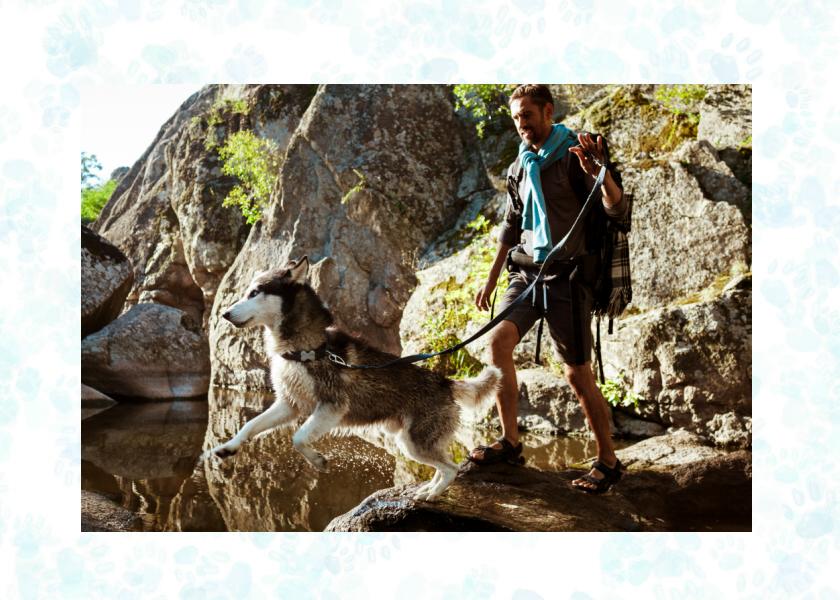
Outdoor adventures with pets is one of the most rewarding ways to bond, but it also comes with added responsibility. From hiking trails and beach walks to camping trips and water adventures, the right smart technology can help keep your pet safe, comfortable, and easy to manage wherever you go.
In this guide to the best smart tech for outdoor adventures with pets, we highlight innovative tools designed to improve tracking, hydration, visibility, and overall safety, so you can focus on enjoying the journey while staying prepared for the unexpected.
What Are the Safest Outdoor Adventures to do with Pets?
🐕 1. Leashed Nature Walks & Park Trails
🦺 Why it’s safe
- Controlled pace
- Clear paths
- Easy to turn back if your pet gets tired
💡Tips
- Keep dogs leashed
- Avoid midday heat
- Check paws after rocky trails
Best for: dogs, adventurous cats on harnesses, older pets
🌳 2. Pet-Friendly Parks & Botanical Gardens
🦺 Why it’s safe
- Maintained grounds
- Shade and benches
- Usually rules against off-leash chaos
💡Tips
- Check pet rules before going
- Bring water even if fountains exist
Best for: calm dogs, senior pets, socialized animals
🏖️ 3. Quiet Beaches & Lakes (On-Leash or Designated Areas)
🦺 Why it’s safe
- Open space
- Natural cooling
- Great mental stimulation
💡Tips
- Avoid strong currents
- Rinse saltwater after
- Watch for hot sand
Best for: water-loving dogs
🏕️ 4. Short Camping Trips (Pet-Friendly Campsites)
🦺 Why it’s safe
- Predictable base location
- You control exposure
- Great bonding time
💡Tips
- Keep pets leashed or tethered
- Store food securely
- Bring familiar bedding
Best for: confident dogs used to new environments
🚶 5. Easy Day Hikes (Beginner Level Only)
🦺 Why it’s safe
- Low elevation gain
- Short distances
- Well-marked trails
💡Tips
- Skip extreme terrain
- Take breaks often
- Watch for wildlife
Best for: fit dogs, adventurous breeds
🚴 6. Cycling & Jogging (With Proper Gear)
🦺 Why it’s safe
- Great exercise
- Controlled routes
💡Tips
- Your dog is trained
- You use proper attachments
- Distances are short
Not for: puppies, brachycephalic breeds, senior pets
❌ Adventures to avoid (highest risk)
- Off-leash hiking in wildlife areas
- Long-distance hikes
- Extreme heat activities
- Fast rivers or rough seas
- Busy tourist trails
🧠 Rule of thumb for safety
If you can say yes to these, you’re probably good:
- Can I control my pet at all times?
- Can we leave quickly if needed?
- Is there shade, water, and cell signal?
- Is this something my pet has done before?
🏆 Best Smart Tech for Outdoor Adventures with Pets
1. High-Precision Navigation: Rugged GPS & Satellite Tech
Standard Bluetooth trackers are useless in the wild. If your pet catches a scent and disappears into thick brush, you need professional-grade satellite or long-range LTE technology.
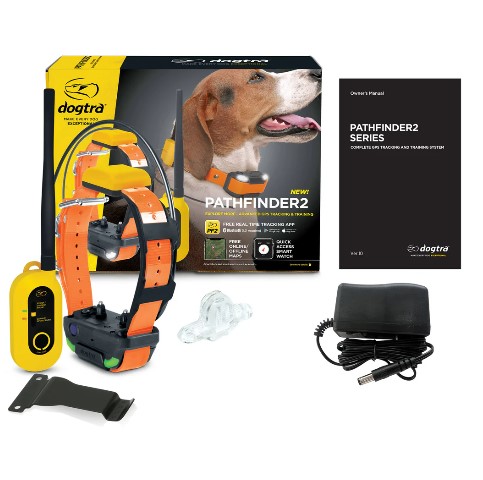
- Dogtra Pathfinder2: Satellite-based (No Cell Service Needed) – Hunting, deep wilderness, and areas with zero signal.
Price Range: $430 – $450
- Tractive GPS Dog/Cat: Multiple-carrier LTE – Reliable tracking for standard trails and campgrounds with moderate signal
Price Range: $45 – $85
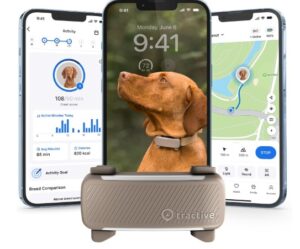
Tractive Dog 6 GPS Tracker
Unlimited range
Safe zones & get alerts
Vital signs monitoring
Health & barking alerts
Escape alerts & location history
14-day battery life
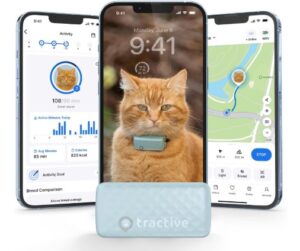
Tractive CAT Mini
Health, sleep & activity monitoring
Virtual fences
Location history
Lightweight & waterproof
Subscription required
The 2026 Trend: Look for “Offline Maps.” The best trackers now allow you to download terrain maps directly to your phone so you can see exactly where your pet is, even if you have no bars of service.
2. Nighttime Visibility: High-Lumen LED Wearables
When the sun goes down at the campsite, a dark-furred pet can become invisible. Smart lighting has moved beyond “glow-in-the-dark” to high-visibility LED wearable ecosystems.
- Blazin’ LED Leash: These aren’t just glow-strips; they are high-lumen, rechargeable LEDs visible from over 300 yards.
- Flashseen LED Collar: A 2026 favorite for its extreme battery life—lasting up to 10 hours on a single charge, perfect for overnight camping trips.
💡Smart Lighting Tip: Use different colors for different pets. If you have two dogs, setting one to “Neon Green” and one to “Bright Blue” lets you identify who is who from across a dark field.
👉 Explore our full guide on the best LED dog gear for nighttime walks.
Price Range: $15 – $30

Blazin LED Leash
3 lighting modes
Lasts 7+ hrs
Individual bulb tech
Available in 4-feet & 6-feet length
Available in 8 colors

Flashseen LED Collar
Lightweight & waterproof
Lasts 6-12 hrs
Available in 4 colors
3. Hydration & Nutrition: Portable Filtration & Compact Food Bowls
Clean water is the most overlooked safety factor on a hike. Giardia and other parasites in streams are a real threat.
- MalsiPree Portable Water Bottle: This is a “Smart” essential because of its integrated filtering and built-in bowl. It allows you to fill up from a tap or water station and ensures the water is purified before your pet drinks it. The leak-proof design also means no water is wasted.
- Bonza Collapsible Food Bowls: Lightweight and BPA-free silicone. In 2026, “Adventure” versions now include carabiner attachments and airtight lids, so you can pre-portion meals and hang them directly on your own backpack or the pet’s harness.
Price Range: $10 – $25
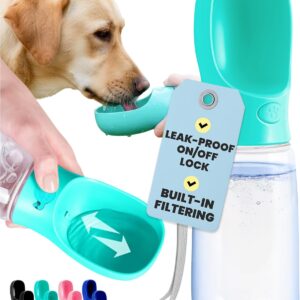
MalsiPree Portable Water Bottle
Lightweight
Leak-proof lock
BPA free food-grade material
Built-in water bowl
Built-in filtering

Bonza Collapsible Bowl
Flattens to fit in travel bag
1,000 ml capacity (large size)
Includes a keychain holder & aluminum carabiner
Sizes: Small, large and X-large
4. Climate Control: Monitoring for Overheating
Pets don’t sweat like humans, making them prone to heatstroke on exposed trails.
- Smart Temperature Sensors: Stick a Govee Hygrometer to your pet’s crate or even their harness to monitor ambient temperature.
- Cooling Mat: Always pack a self-cooling mat. These activate automatically when pets lie down, which provides instant cooling relief without electricity.
- Cooling Vest: Combines evaporative cooling with sun protection. The vest helps reduce heat buildup during walks and hikes, and outdoor play. This makes it a great solution for pets that spend a lot of time outside during the summer months.
Price Range: $35.00 – $75.00

Ruffwear Swamp Cooler Dog Vest
Evaporated cooling for hot weather
Lightweight
Side-release buckles to fit easily
Reflective trim for visibility
Leash portal
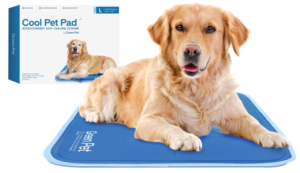
The Green Pet Shop Cool Pet Pad
Automatically recharges after 15-20 min
No refrigeration or water needed
Prevents overheating & dehydration
Non-toxic sturdy construction
Easy to fold & clean
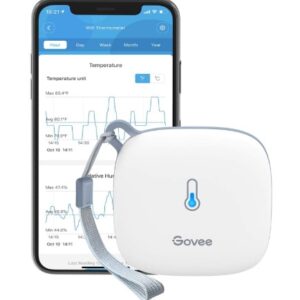
Govee Thermo-Hygrometer
Set temp & humidity range
Sends alerts
Smart humidity temperature sensor
5. Water Safety: Swimming Protection
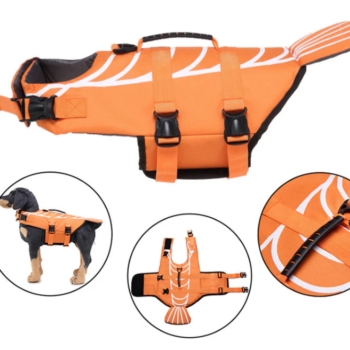
Water activities are one of the highlights of summer, but even strong swimmers can get tired or struggle in unfamiliar water. The Traverseon Dog Swimming Life Vest provides full-body flotation support with chest and belly protection, helping dogs stay safe while swimming, boating, kayaking, or enjoying beach adventures. The adjustable fit, rescue handle, and reflective safety strips make it a practical addition to any pet summer safety kit.
- Superior buoyancy support: Helps keep your dog’s head above water.
- Rescue handle for emergencies: Strong rescue handle allows quick lifting from water.
- Reflective visibility features: Reflective strips improve visibility in low-light conditions.
- Ideal for water-loving dogs: Suitable for boating, beach trips, paddleboarding, kayaking, and dock activities.
Price Range: $50 – $65
💡Tips for Outdoor Adventures with Pets
- Trail Recall Training: Before going off-leash, use a Smart Trainer (like the vibration-only mode on the Pathfinder2) to reinforce recall.
- Tick & Pest Alerts: Use your Tractive Health Monitoring app. In 2026, these apps can alert you if your pet’s “itching/scratching” levels spike, which is a key early indicator of ticks or burrs picked up on the trail.
- The Paw Check: Always carry Paw Wax or rugged Booties. Hot rocks and sharp shale can tear paw pads in minutes.
Looking for a complete breakdown of the best smart pet technology for traveling with your pet in 2026? Our full guide covers GPS trackers, smart feeders, travel cameras, and safety gear for every type of trip.
Explore our guide on the Top Smart Summer Tech for Pets in 2026 for extra tips and information on how to keep them cool in the hot weather.
🍃 Frequently Asked Questions
How do I protect my pet’s paws on rough or hot trails?
Use booties designed for pets or apply a paw wax to protect against hot surfaces, rocky paths, and snow. Always check for signs of injury after hikes.
Is it safe to let my dog drink from streams or lakes?
It’s better to bring portable filtered water or use a dog-safe water bottle with a built-in filter. Natural water sources may contain parasites or harmful bacteria.
Can cats go hiking too?
Yes! Some adventure cats enjoy hiking with a harness and leash. Start with short walks in quiet areas and bring a backpack-style carrier in case your cat gets tired or startled.
What gear do I need for hiking with my pet?
Bring a harness, leash, collapsible water bowl, portable water, first aid kit, waste bags, and paw protection like booties or wax.
How do I keep my pet safe from wildlife on trails?
Keep your pet on a leash, stay on marked trails, and avoid areas known for predators or snakes. Carry a whistle or noise maker for emergencies.
How long can I hike with my pet safely?
Start with shorter hikes and gradually increase distance. Pay attention to your pet’s energy, hydration, and paw condition, and take breaks as needed.
Related Posts
PetSmartify is a participant in the Amazon Services LLC Associates Program and other affiliate programs. We may earn a small commission from purchases (at NO additional cost to you)
Product prices and availability are accurate as of the time of publication and are subject to change. Any price and availability information displayed on Amazon or any other retailer’s website at the time of purchase will apply.